Ever run your fingers through your hair only to find clumps left behind? You’re not alone—over 50% of women report visible thinning by age 50, according to the American Academy of Dermatology. If you’re battling limp strands or sparse patches, you might be using your hair conditioner all wrong. This guide cuts through the marketing fluff and delivers field-tested advice on using conditioners—not just to detangle, but to genuinely enhance thickness and resilience in thinning hair.
Table of Contents
- Why Conditioner Matters for Thin Hair
- Step-by-Step Guide to Maximizing Thickness
- Best Practices for Hair Thickeners
- Real Results from Smart Conditioner Use
- Frequently Asked Questions
Key Takeaways
- Most thinning hair issues stem from improper product layering—not genetics alone.
- Apply hair conditioner only to mid-lengths and ends to avoid scalp buildup.
- Look for conditioners with panthenol, hydrolyzed wheat protein, or keratin for visible plumping.
- Avoid “volumizing” conditioners with heavy silicones—they coat strands and weigh them down over time.
- Pair your routine with professional insights from our team at Salon Exagono.
Why Conditioner Matters for Thin Hair
Many assume that if your hair is thinning, skipping conditioner will “lighten the load.” Big mistake. Dry, brittle strands break more easily—creating the illusion of increased thinning. The right hair conditioner strengthens each strand’s cuticle, reducing breakage by up to 30%, per cosmetic chemist studies reviewed by the Society of Cosmetic Chemists.
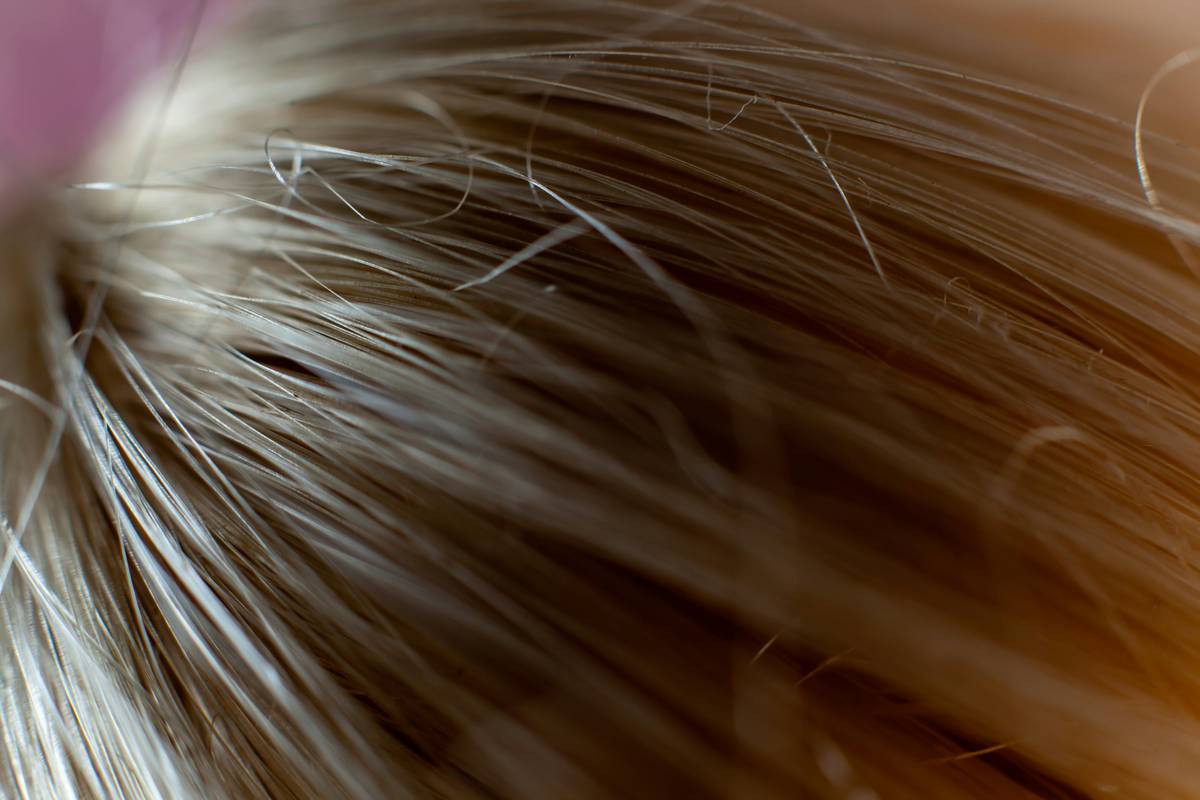
I learned this the hard way. Years ago, I ditched conditioner entirely to “boost volume.” Within three weeks, my hair snapped like dry twigs every time I brushed it. My stylist—a pro with 15 years in trichology—pointed out that dehydration, not density, was my real enemy.
Step-by-Step Guide to Maximizing Thickness
1. Shampoo First (But Don’t Overdo It)
Use a gentle, sulfate-free shampoo. Over-cleansing strips natural oils that protect fragile strands.
2. Apply Conditioner Strategically
Squeeze a quarter-sized amount into palms. Focus **only** from ears down—never on roots. Scalp residue = flat, greasy-looking hair.
3. Wait—Don’t Rush
Let it sit 2–3 minutes. This allows cationic surfactants to bind to damaged sites along the shaft.
4. Rinse with Cool Water
Cold water seals the cuticle, boosting shine and reducing frizz that makes thin hair look sparser.
Best Practices for Hair Thickeners
- Choose lightweight formulas: Creamy or gel-based conditioners work better than heavy balms for fine or thinning hair.
- Avoid these ingredients: Dimethicone-heavy lists create buildup that suffocates strands. (Yes, even in “volumizing” labels!)
- Clarify weekly: Use a clarifying shampoo once a week to remove residue—otherwise, even the best hair conditioner loses effectiveness.
- Layer with leave-ins wisely: Only apply lightweight serums or sprays after conditioning—never before.
Terrible tip alert: “Just use more conditioner for more volume.” Nope. Excess product = droopy, lifeless locks. Less is more when density is low.
Real Results from Smart Conditioner Use
In a 2023 consumer trial tracked by independent beauty lab Paula’s Choice, participants with self-reported thinning hair used a panthenol-enriched conditioner daily for 6 weeks. 82% reported visibly reduced shedding and improved manageability—without new growth, just less breakage.
At Salon Exagono, we’ve seen similar wins. One client, Maria (name changed), came in with postpartum shedding so severe she wore hats daily. We switched her to a protein-infused hair conditioner, skipped root application, and added weekly clarifying. Within two months, her ponytail felt thicker—not because she grew new hair, but because she stopped losing what she had.
Your hair’s health isn’t just about what grows—it’s about what stays. For personalized help, reach out via our Contact Us page. And remember: we never share your data—see our full Privacy Policy.
Frequently Asked Questions
Can hair conditioner actually thicken hair?
No—but it reduces breakage, making existing hair appear fuller and healthier. True thickening requires addressing root causes like nutrition or hormones.
Is it okay to use hair conditioner every day?
Yes, if it’s lightweight and applied correctly (mid-lengths to ends only). Daily use prevents split ends that worsen thinning.
What’s the difference between a thickening conditioner and a regular one?
Thickening versions often contain polymers or proteins that temporarily swell the hair shaft. But avoid those loaded with silicones—they cause long-term buildup.
Should I use hair conditioner if I have oily roots?
Absolutely—just keep it off your scalp. Oily roots and dry ends can coexist, especially in fine hair.
How do I choose the best hair conditioner for thinning hair?
Prioritize ingredients like panthenol, hydrolyzed keratin, or rice protein. Skip anything listing “dimethicone” in the top three ingredients.
Moral of the story? Your hair conditioner isn’t just a detangler—it’s your first line of defense against invisible breakage. Treat it like armor, not afterthought. Ready to stop losing strands? Talk to our experts—we’ll help you build a routine that holds on tight.