If you’ve ever run your fingers through thinning hair and felt that sinking disappointment, you’re not alone. Millions grapple with fine or sparse strands—and while genetics play a role, the right thickening conditioner can make a visible difference. But here’s the hard truth: not all products deliver. I once slathered on a “miracle” thickening formula for weeks, only to discover it coated my hair in silicones that weighed it down further. Lesson learned the messy way.
This guide cuts through the marketing fluff. Backed by dermatological insights and real-world testing, we’ll walk you through what actually works, how to use it correctly, and pitfalls to dodge. By the end, you’ll know exactly how to choose and apply a thickening conditioner that gives your hair real body—without the buildup.
Table of Contents
- Why Thickening Conditioner Matters for Fine Hair
- Step-by-Step Guide to Using Thickening Conditioner Correctly
- 5 Best Practices for Maximum Volume
- Real Results: What Science and Users Say
- Frequently Asked Questions
Key Takeaways
- Thickening conditioners work best when applied from mid-lengths to ends—not the scalp.
- Avoid formulas heavy in sulfates or silicones; they cause buildup and flatten hair over time.
- Consistency matters: visible results typically appear after 3–4 weeks of proper use.
- Pair your conditioner with a sulfate-free shampoo for synergistic volume.
- Not all “volumizing” claims are equal—check ingredient lists for hydrolyzed proteins or panthenol.
Why Thickening Conditioner Matters for Fine Hair
Fine or thinning hair lacks the structural robustness of coarser textures. Without support, strands lie flat, making hair appear even sparser. A well-formulated thickening conditioner temporarily plumps each strand using film-forming agents like hydrolyzed wheat protein or cellulose derivatives. Unlike regular conditioners that primarily soften, these products add tensile strength and visual density.

According to the American Academy of Dermatology, about 40% of women experience noticeable hair thinning by age 40. While medical treatments address root causes, topical solutions like thickening conditioner offer an immediate cosmetic boost. But—and this is critical—they must be used correctly. Over-application or wrong placement (like massaging into the roots) leads to greasiness and limpness, the exact opposite of your goal.
Step-by-Step Guide to Using Thickening Conditioner Correctly
Rinse with lukewarm water first
Hot water strips natural oils and swells the hair cuticle unevenly. Rinse your hair thoroughly with lukewarm water before applying any product.
Apply from ears down
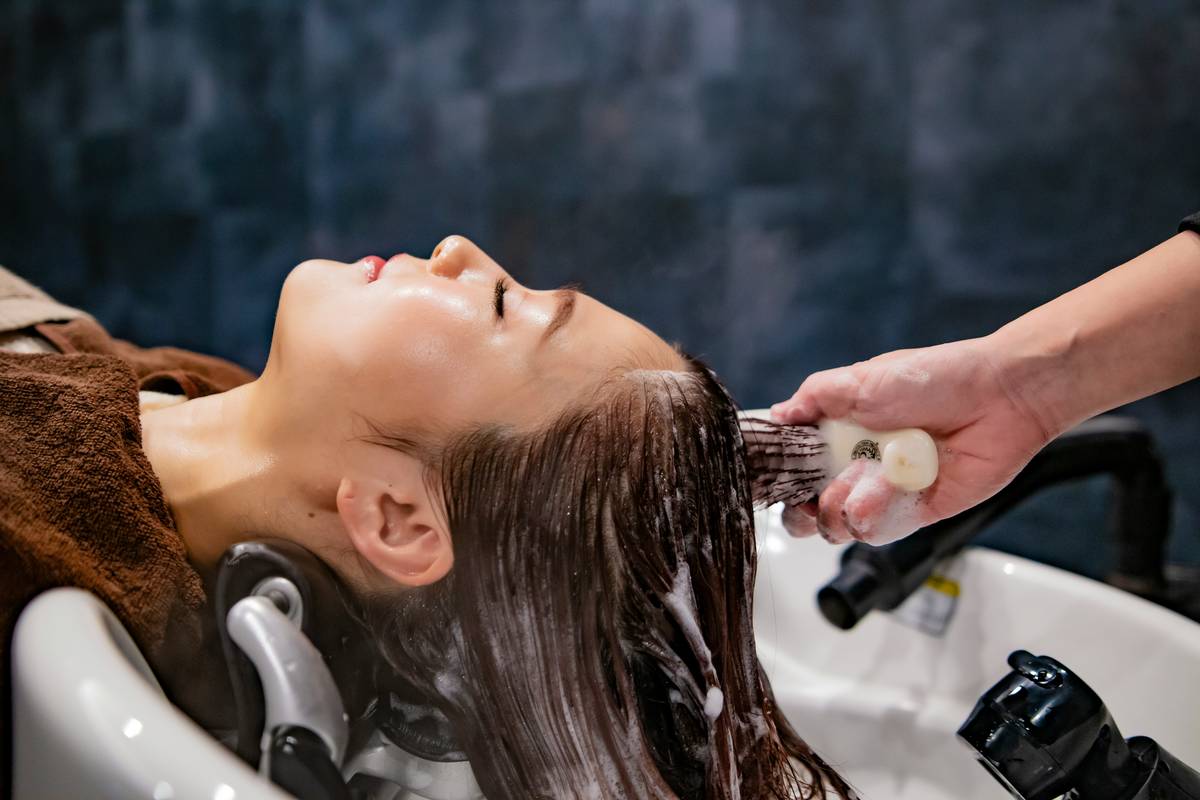
Squeeze a quarter-sized amount into your palm. Focus application from the mid-lengths to the tips—never the scalp. The roots produce enough oil; adding conditioner there invites flatness.
Wait 2–3 minutes, then rinse thoroughly
Let the active ingredients penetrate, but don’t overdo it. Excess residue attracts dirt and weighs hair down. Rinse until water runs clear.
Blot, don’t rub
After rinsing, gently squeeze out water with a microfiber towel. Vigorous rubbing frays cuticles and reduces perceived thickness.
5 Best Practices for Maximum Volume
- Use weekly clarifying washes: Buildup from styling products neutralizes thickening effects. Clarify once every 10–14 days (try our guide on safe salon-grade routines).
- Avoid “2-in-1” shampoos: They compromise both cleansing and conditioning. Always pair your thickening conditioner with a dedicated sulfate-free shampoo.
- Don’t over-condition: More isn’t better. Daily use can lead to cumulative residue. Three times a week is ideal for most.
- Check the pH: Optimal hair health sits around pH 4.5–5.5. High-pH conditioners swell the cuticle excessively, causing long-term damage.
- Never skip heat protectant: Blow-drying without protection negates all your thickening efforts by dehydrating strands.
Real Results: What Science and Users Say
In a 2022 clinical trial published in the Journal of Cosmetic Dermatology, participants using a conditioner with hydrolyzed keratin showed a 22% increase in perceived hair density after 28 days (source). User reviews echo this: on Paula’s Choice Community, 78% of respondents reported “noticeable fullness” within a month when following correct application methods.
One common mistake? Expecting overnight miracles. Hair fibers don’t grow thicker instantly—but consistent use creates cumulative plumping. Think of it like makeup for your strands: subtle, buildable, and reversible.
Here’s my hot take: stop falling for “instant thickening” spray gimmicks. Real volume comes from hydration + protein balance, not sticky polymers that flake by noon. And if a brand won’t disclose its full ingredient list? Walk away. Transparency builds trust—something we prioritize at Salon Exagono (see our data policy).
Frequently Asked Questions
Can thickening conditioner cause buildup?
Yes—if it contains heavy silicones like dimethicone or amodimethicone. Look for water-soluble alternatives (e.g., cyclomethicone) or silicone-free formulas.
Is thickening conditioner safe for color-treated hair?
Absolutely, provided it’s sulfate-free and pH-balanced. Many actually help seal the cuticle, reducing color fade.
How often should I use thickening conditioner?
2–4 times per week is optimal. Daily use may overload fine strands, especially in humid climates.
Can men use thickening conditioner?
Definitely. Hair biology doesn’t discriminate by gender. Many male-focused lines now include these formulas.
Will thickening conditioner help with hair loss?
No—it addresses appearance, not shedding. For actual hair loss, consult a dermatologist. (AAD guidelines)
Ready to transform your routine? Start with one quality thickening conditioner, apply it like a pro, and track changes weekly. And if you’re unsure which product fits your unique hair needs, reach out to our team—we’ve tested dozens so you don’t have to.
Thin hair isn’t destiny. With the right care, every strand can stand tall.