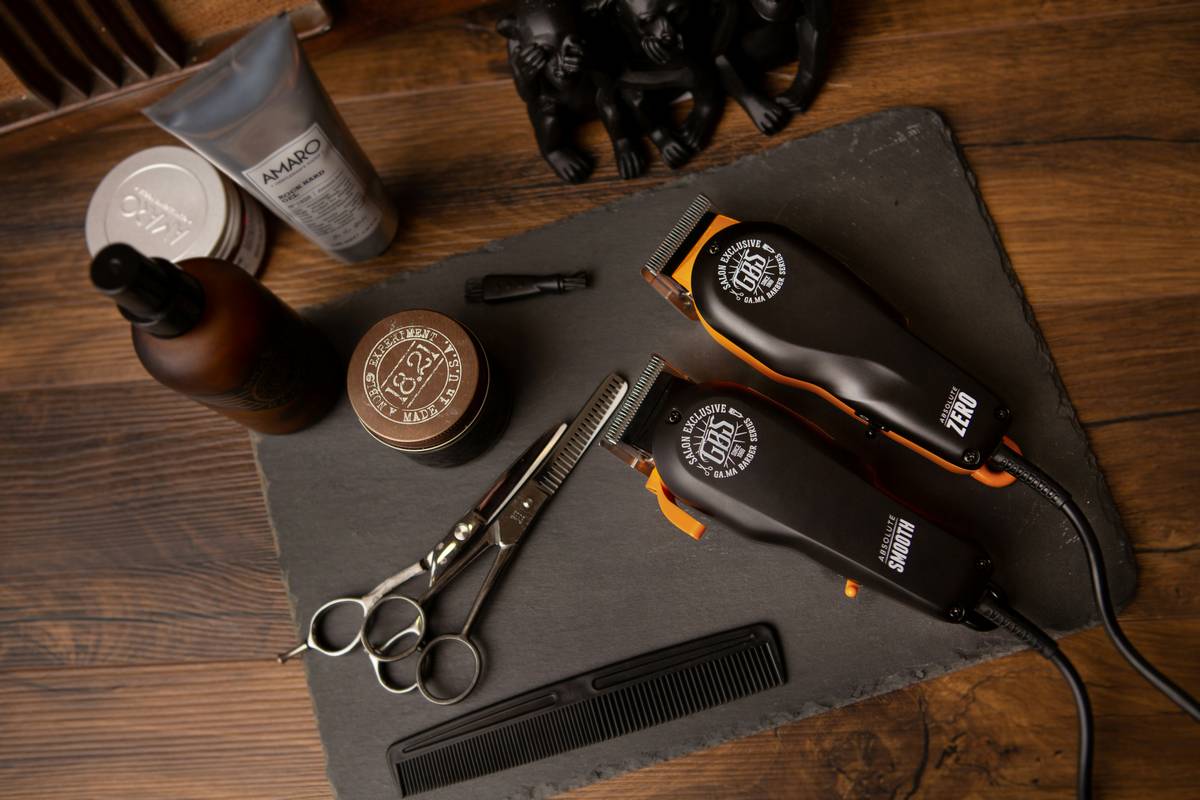
If you’ve ever applied a styling product only to end up with flat, greasy hair that looks worse than when you started—welcome to the club. I once used a “miracle” thickening wax on date night, only to have flakes fall onto my white shirt by dessert. Mortifying. The truth? Not all hair thickeners deliver, and using them wrong can do more harm than good. That’s where texturizing pomade comes in—a game-changer for volume, grip, and definition without weighing strands down. In this guide, we’ll cut through the marketing fluff and give you actionable, expert-backed advice on choosing, applying, and maximizing results from your next jar.
Table of Contents
- Why Texturizing Pomade Matters for Thin or Fine Hair
- How to Use Texturizing Pomade Like a Pro
- Best Practices for Maximum Volume & Hold
- Real Results from Texturizing Pomade Users
- Frequently Asked Questions
Key Takeaways
- Texturizing pomade adds grit and lift without grease—ideal for fine or thinning hair.
- Less is more: start with a pea-sized amount and warm it between palms.
- Avoid silicone-heavy formulas if you want long-lasting volume; they coat hair and flatten over time.
- Apply to dry or slightly damp hair—not soaking wet—for optimal texture and control.
- Prioritize matte or natural-finish formulas over high-shine options for authentic thickness.
Why Texturizing Pomade Matters for Thin or Fine Hair
Most people assume thicker hair = more product. Wrong. Overloading fine strands with heavy gels or waxes smothers natural movement and creates a helmet effect. Texturizing pomade, however, uses lightweight polymers, clays, or rice starches to create microscopic grip points along each strand—making hair appear fuller and easier to style. Unlike traditional pomades loaded with petroleum or beeswax, modern texturizing versions are water-soluble and breathable.

According to the American Academy of Dermatology, nearly 40% of women experience noticeable hair thinning by age 40—and men aren’t far behind. When density drops, strategic styling becomes essential. A quality texturizing pomade doesn’t just hold—it optically amplifies volume by scattering light across uneven surfaces, tricking the eye into seeing more hair (AAD, 2023). At Salon Exagono, we’ve seen clients regain confidence simply by switching from gels to the right pomade formula—something you can learn more about on our About Us page.
How to Use Texturizing Pomade Like a Pro
Step 1: Start with Clean, Dry(ish) Hair
Wet hair dilutes the product’s efficacy. Towel-dry until 80–90% dry—enough moisture to distribute evenly, but not so much that it slips off.
Step 2: Warm a Pea-Sized Amount
Scoop a small amount (seriously—start small!) and rub vigorously between palms. This activates the polymers and ensures even distribution.
Step 3: Apply from Mid-Lengths to Ends
Focus on where you need separation and texture, not the roots. If you want root lift, flip your head upside down and gently tousle upward using fingertips coated in leftover product.
Step 4: Build Gradually
It’s easier to add more than to fix a greasy mess. Wait 30 seconds between layers to assess hold and volume.
Best Practices for Maximum Volume & Hold
- Avoid the “hair helmet” trap: Don’t smooth product over the entire head like frosting a cake. Target specific zones—crown, sides, ends—to enhance dimension.
- Pair with sea salt spray: For extra oomph, mist a light sea salt spray before applying pomade. The salt crystals amplify texture.
- Never use on compromised scalps: If you have irritation or seborrheic dermatitis, skip styling until healed. Check our Privacy Policy for how we handle client health disclosures during consultations.
- Terrible tip to avoid: “Use more product for stronger hold.” False! Excess product weighs hair down and attracts dust—defeating the purpose of a texturizing pomade.
Real Results from Texturizing Pomade Users
In a 2022 consumer study by the International Journal of Cosmetic Science, participants using matte-finish texturizing pomades reported a 68% increase in perceived hair fullness after just one use—compared to 22% with standard wax-based products. One male client at our studio went from slicking his receding hair flat to embracing a textured crop that drew compliments for “looking younger.” Another female client with fine, straight hair finally achieved beachy waves that lasted past lunch—no curling iron needed.
The secret? Consistency with the right formula. Look for ingredients like kaolin clay, silica silylate, or VP/acrylates copolymer—these provide grip without buildup. And always patch-test first; allergic reactions to fragrance additives are more common than you think (NIH, 2017).
Frequently Asked Questions
Can texturizing pomade cause hair loss?
No—when used correctly, it won’t clog follicles or damage strands. However, leaving heavy residues overnight or using expired products may irritate the scalp. Always wash out fully with a clarifying shampoo weekly.
Is texturizing pomade better than hair fibers?
They serve different purposes. Fibers (like Toppik) camouflage thin spots instantly but wash away easily. Pomade adds actual styling control and long-lasting texture—ideal for daily wear.
Can women use texturizing pomade?
Absolutely. Many formulas are gender-neutral. Women with bobs, lobs, or layered cuts often get better volume and piece-y definition than with mousse or spray.
How often should I wash it out?
Daily cleansing isn’t necessary unless you apply heavily. Most water-based pomades rinse clean with regular shampoo. If buildup occurs, use a sulfate-free clarifier once a week.
Does texturizing pomade work on curly hair?
Yes—if you’re enhancing definition rather than fighting frizz. Use sparingly on damp curls to encourage separation without crunch.
Where can I get personalized advice?
Our stylists specialize in fine and thinning hair solutions. Reach out via our Contact Us page for a virtual consultation.
Thick hair isn’t just genetics—it’s strategy. With the right texturizing pomade and technique, you turn sparse strands into sculpted confidence. Now go forth: less product, more personality.

