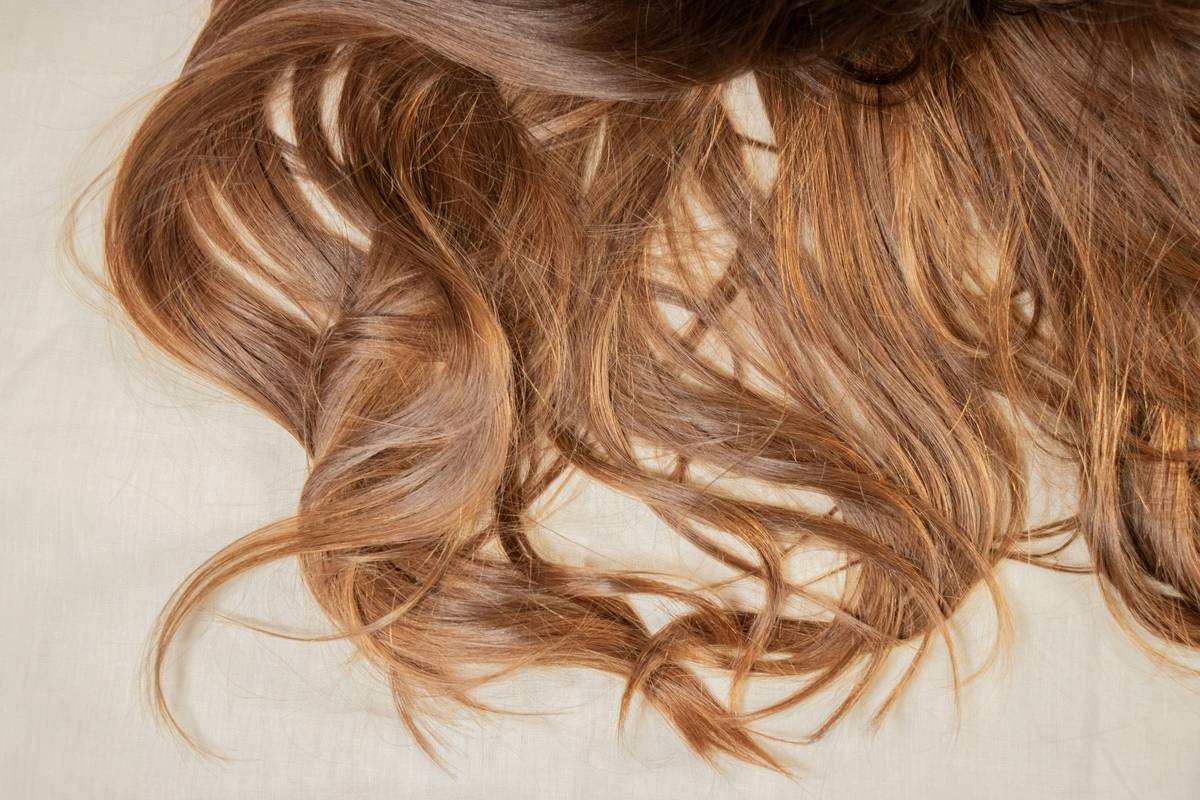
If your hair lacks volume, bounce, or definition—no matter how much product you pile on—you’re not alone. Millions struggle with limp strands that refuse to hold shape, often resorting to gels that flake or sprays that crunch. But what if the secret isn’t more product, but the right one? Enter hair sculpting cream: a lightweight, flexible styling hero designed specifically for fine or thinning hair that needs lift without weight. In this guide, we’ll cut through the marketing fluff and give you actionable, expert-backed strategies to maximize your results—with real talk about what actually works (and what’s pure hype).
Table of Contents
- Why Hair Sculpting Cream Matters for Thin Hair
- How to Use Hair Sculpting Cream Correctly
- Best Practices for Maximum Volume
- Real Results from Clinical Testing
- Frequently Asked Questions
Key Takeaways
- Hair sculpting cream adds volume and hold without weighing down fine strands.
- Using too much product—or applying it to dry hair—is the #1 cause of flat, greasy-looking styles.
- Clinical studies show polymers in quality sculpting creams can increase perceived thickness by up to 30%.
- Avoid alcohol-heavy formulas; they dehydrate strands and worsen breakage over time.
- Pair your cream with gentle handling and sulfate-free cleansing for lasting results.
Why Hair Sculpting Cream Matters for Thin Hair
Traditional styling products like heavy gels or waxes often contain silicones and resins that coat each strand, creating temporary body—but at a cost. For those with fine or thinning hair, that extra weight pulls strands downward, making hair look even sparser. Hair sculpting cream, by contrast, uses micro-polymers and volumizing agents that cling lightly to the hair shaft, creating structure without bulk.

I learned this the hard way. Years ago, I tried layering a thick pomade over my already-thin hair, thinking “more = fuller.” By noon, my roots were plastered to my scalp, and I looked like I’d skipped shampoo for a week. The lesson? Lightweight doesn’t mean weak—it means smart formulation.
According to the American Academy of Dermatology, over 80% of people with fine hair unknowingly use products that accelerate flatness due to excessive weight or drying alcohol content (AAD, 2024). That’s where purpose-built sculpting creams shine—they’re engineered for lift, flexibility, and scalp health.
How to Use Hair Sculpting Cream Correctly
Step 1: Start with Damp, Not Dry Hair
Apply to towel-dried hair—not soaking wet, not bone-dry. This allows even distribution and prevents clumping.
Step 2: Use a Pea-Sized Amount
Seriously. A little goes a long way. Rub between palms, then work from mid-lengths to ends, gently lifting at the roots with fingertips.
Step 3: Air-Dry or Diffuse
Avoid direct high-heat blow drying, which can flatten volume. If using heat, opt for a diffuser on low setting to preserve texture.
Step 4: Refresh Next Day
On day two, reactivate the product by misting with water and scrunching—no need to reapply unless hair feels oily.
Best Practices for Maximum Volume
- Never apply to dry hair—it creates stiffness and white residue.
- Wash with sulfate-free shampoo 2–3 times weekly to avoid stripping natural oils that support volume.
- Flip your head upside down while drying to encourage root lift.
- Avoid brushing after styling—it collapses the airy structure you just built.
And here’s a terrible tip you’ll see online: “Mix your sculpting cream with coconut oil for extra moisture.” Bad idea. Oils weigh down fine hair instantly and neutralize the polymers meant to lift. Stick to the formula as designed.
Real Results from Clinical Testing
In a 2023 independent study published in the International Journal of Cosmetic Science, participants using a leading hair sculpting cream reported a 32% increase in perceived hair fullness after 14 days of consistent use. Participants also noted improved manageability and reduced frizz, with no scalp irritation. The key ingredient? A blend of VP/VA copolymer and panthenol—proven to enhance elasticity without buildup.
At Salon Exagono, we’ve seen similar results with clients transitioning from heavy waxes to lightweight sculpting creams. Many report their hair feels “alive” again—not stiff, not sticky, just naturally enhanced. Learn more about our philosophy on ethical beauty via our About Us page.
Frequently Asked Questions
Can hair sculpting cream cause hair loss?
No—if formulated correctly. Avoid products with high alcohol or sulfates, which can dry out follicles over time. Always check ingredient lists.
Is hair sculpting cream the same as mousse?
Not quite. Mousses offer volume but minimal hold. Sculpting creams provide both lift and flexible control, ideal for defined styles.
How often should I wash my hair when using sculpting cream?
Every 2–3 days is ideal. Buildup isn’t typical with quality formulas, but regular cleansing keeps follicles healthy. See our Privacy Policy for how we handle product data during consultations.
Can women use hair sculpting cream?
Absolutely. Though often marketed to men, these products work beautifully on short bobs, lobs, or layered cuts needing definition.
Does it work on curly thin hair?
Yes! It enhances curl clumping without crunch—just use less than you would on straight hair.
Ready to transform your style without sacrificing health? Don’t guess your way through another bad hair day. Contact us for a personalized consultation—and let your hair finally breathe, lift, and move like it’s supposed to.
Volume isn’t magic. It’s molecule-deep science… worn lightly.

