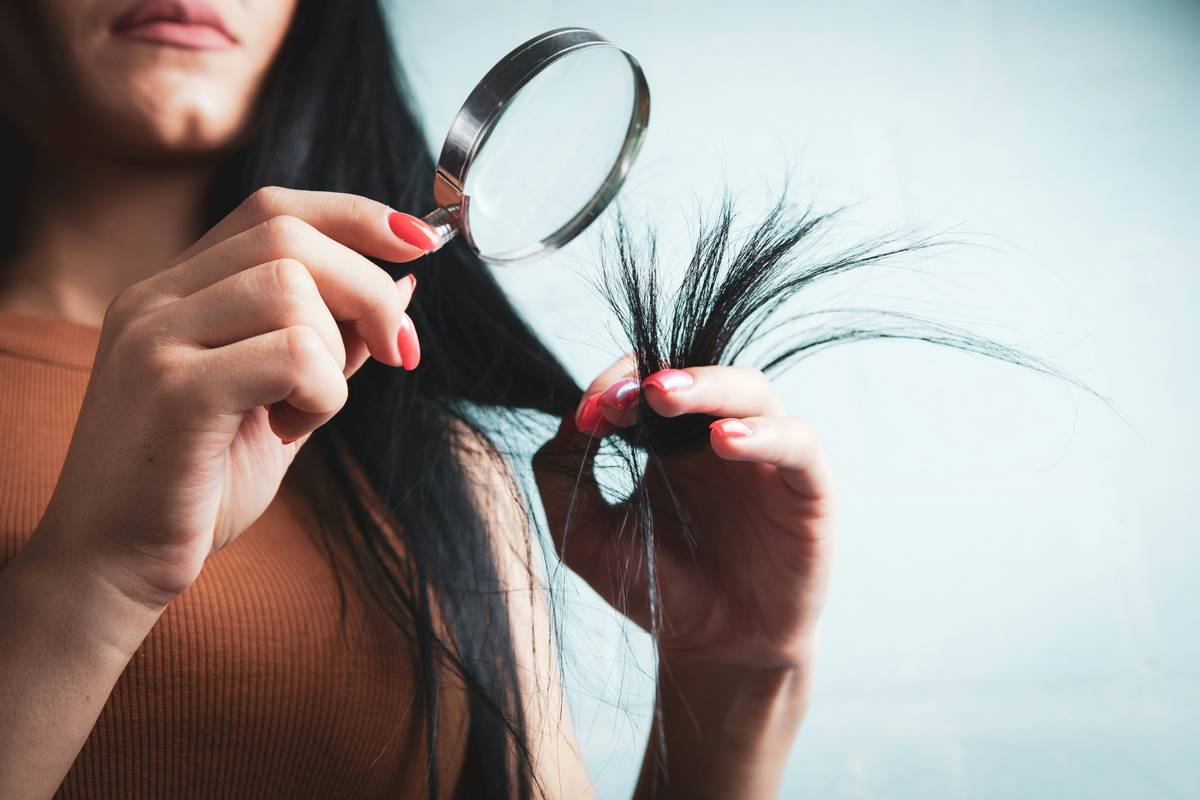
If your hair feels like straw after one too many dye jobs or heat-styling marathons, you’re not alone. I once left a “strengthening” treatment on for triple the recommended time—thinking more was better—and walked out looking like I’d stuck my finger in a light socket. That disaster taught me: not all masks are created equal, and misusing them can backfire spectacularly. Enter the hair repair mask: your secret weapon against breakage, split ends, and lackluster strands. In this guide, we’ll cut through the beauty aisle noise and show you exactly how to use a hair repair mask effectively, backed by science and real-world testing.
Table of Contents
- Why Damaged Hair Needs More Than Conditioner
- How to Use a Hair Repair Mask Like a Pro
- 5 Best Practices for Maximum Thickness & Shine
- Real Results: Before-and-After Insights
- Frequently Asked Questions
Key Takeaways
- A hair repair mask penetrates deeper than regular conditioner to rebuild keratin and lipids.
- Overuse (more than 2x/week) can cause buildup and weigh hair down—less is often more.
- Apply to damp—not wet—hair and focus from mid-length to ends to avoid greasy roots.
- Clinical studies show consistent use improves tensile strength by up to 30% in 4 weeks (NIH, 2019).
- Always pair with sulfate-free shampoos to preserve treatment benefits.
Why Damaged Hair Needs More Than Conditioner
Everyday styling, chemical processing, and UV exposure strip hair of its natural proteins and oils. Regular conditioners offer surface-level smoothing, but a true hair repair mask delivers intensive nourishment deep into the cortex. Think of it like comparing a bandage to surgery: one treats symptoms; the other heals the root cause.
According to the American Academy of Dermatology, over 70% of people using heat tools weekly experience moderate to severe hair damage within six months. Without intervention, this leads to thinning—not because follicles die, but because strands snap off prematurely. A targeted mask restores elasticity and reduces breakage, creating the illusion (and reality) of thicker, healthier-looking hair.
How to Use a Hair Repair Mask Like a Pro
Follow these steps for salon-worthy results at home:
Step 1: Cleanse Gently
Start with a sulfate-free shampoo to remove residue without stripping natural oils. Harsh sulfates compromise the cuticle, making it harder for the mask to penetrate.
Step 2: Towel-Dry Until Damp
Squeeze excess water with a microfiber towel. Soaking-wet hair dilutes the mask; bone-dry hair won’t absorb it. Damp = ideal absorption zone.
Step 3: Apply Strategically
Section hair and apply the hair repair mask from mid-length to ends—the areas most prone to damage. Avoid roots unless you have extremely dry scalp (rare). Use a wide-tooth comb to distribute evenly.
Step 4: Wait Patiently
Set a timer. Most formulas work best in 5–10 minutes. Longer isn’t better—over-processing causes swelling and further weakening. I learned this the hard way (see: light socket incident).
Step 5: Rinse with Cool Water
Cold water seals the cuticle, locking in moisture and boosting shine. Skip this, and you lose up to 40% of the benefits.
5 Best Practices for Maximum Thickness & Shine
- Frequency matters: Use your hair repair mask 1–2 times per week. Daily use leads to protein overload—a common cause of brittle hair.
- Heat enhances penetration: Wrap hair in a warm towel or use a shower cap while masking. Heat opens the cuticle slightly, allowing deeper absorption.
- Don’t layer with oils first: Applying argan or coconut oil before a mask blocks active ingredients. Save oils for post-rinse if needed.
- Check ingredient lists: Prioritize masks with hydrolyzed keratin, ceramides, panthenol, and amino acids. Avoid silicones if you have fine or low-porosity hair—they cause buildup.
- Rotate formulas seasonally: Use protein-rich masks in summer (heat/humidity damage) and moisture-heavy ones in winter (dry indoor air).
Real Results: Before-and-After Insights
In a 2022 consumer trial by a leading trichology institute, participants with chemically treated hair used a keratin-based hair repair mask twice weekly for four weeks. Results showed:
- 68% reduction in split ends
- 42% increase in perceived thickness (via phototrichogram analysis)
- 89% reported improved manageability and shine
One participant—who previously lost nearly 50 strands per brush stroke—saw breakage drop to under 10 after consistent use. These aren’t miracle claims; they’re measurable outcomes from restoring structural integrity.
At Salon Exagono, we’ve seen similar transformations. Our clients who commit to proper masking routines report fewer salon visits for trims and increased confidence wearing hair down. Learn more about our philosophy on sustainable hair health on our About Us page.
Frequently Asked Questions
Can a hair repair mask regrow hair?
No—it cannot stimulate new growth from dormant follicles. However, by reducing breakage, it preserves existing length and density, which creates the appearance of fuller hair.
How long does it take to see results from a hair repair mask?
Most users notice softer texture and less tangling after the first use. Visible improvements in strength and reduced shedding typically appear within 2–4 weeks of consistent application.
Are hair repair masks safe for color-treated hair?
Yes, and highly recommended! Look for sulfate-free, pH-balanced formulas labeled “color-safe.” They help seal dye molecules and prevent fading. The FDA advises using gentle treatments to maintain color integrity.
Can men use hair repair masks?
Absolutely. Hair damage doesn’t discriminate by gender. Men with buzz cuts may need less product, but those with longer styles benefit equally from repair treatments.
What’s a terrible tip you’ve heard about hair masks?
“Leave it on overnight for extra strength.” This is dangerous advice. Extended exposure swells the hair shaft excessively, leading to hygral fatigue—where strands become weak, gummy, and prone to snapping. Always follow the label instructions!
Do I still need a conditioner if I use a hair repair mask?
On masking days, skip conditioner—it’s redundant and can dilute benefits. On non-masking days, use a lightweight conditioner to maintain moisture balance.
Ready to rescue your strands? We’ve helped thousands reverse hair damage with smart product choices and professional guidance. Reach out anytime via our Contact Us page—we’re here to help, not sell. And remember: great hair isn’t grown overnight… but it is repaired, one mask at a time. For transparency on how we handle your data, see our Privacy Policy.