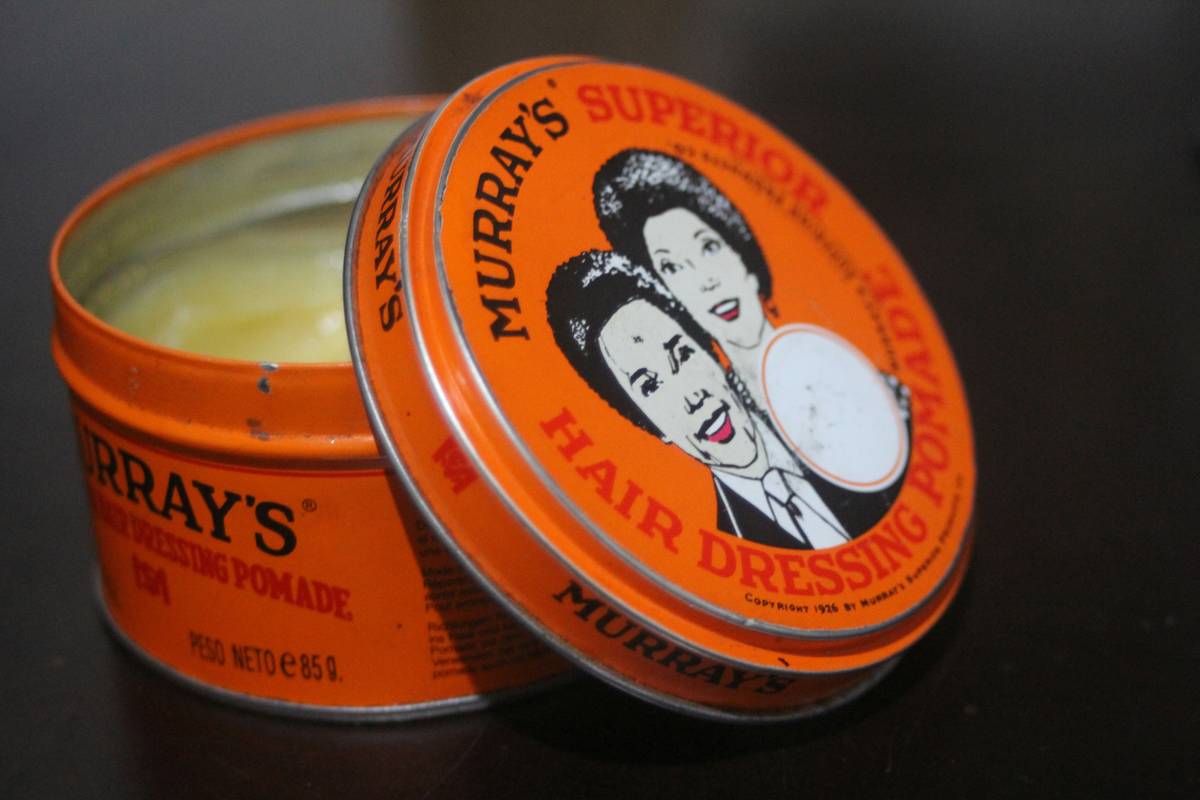
Ever applied hair styling wax only to end up with greasy, stiff, or flaky hair by noon? You’re not alone. As someone who once ruined a job interview look with a dime-sized glob of the wrong product (yes, it looked like I’d dipped my head in candle wax), I’ve learned that not all waxes are created equal—especially when you’re chasing volume, texture, or that elusive “just-styled” finish without weighing down thin strands.
This guide cuts through the marketing fluff to deliver practical, dermatologist-backed advice on choosing and using hair styling wax effectively—particularly if you’re dealing with fine or thinning hair and want real thickness, not just illusion. We’ll cover what works, what doesn’t, and how to avoid the most common pitfalls that turn good hair days into disasters.
Table of Contents
- Why Hair Styling Wax Matters for Thin Hair
- How to Use Hair Styling Wax the Right Way
- Best Practices for Maximum Hold and Volume
- Real Results: What Works in Practice
- Frequently Asked Questions
Key Takeaways
- Not all hair styling wax formulas suit thin or thinning hair—avoid heavy petrolatum-based products.
- Less is more: Start with a pea-sized amount and warm it between palms before application.
- Apply to dry or slightly damp hair for optimal control and lift at the roots.
- Pair with volumizing shampoos and avoid silicones that cause buildup over time.
- Clinical studies show lightweight polymers offer flexible hold without residue (NCBI, 2018).
Why Hair Styling Wax Matters for Thin Hair
For those using hair thickeners or battling genetic thinning, the right styling product can mean the difference between “noticeably fuller” and “flat and lifeless.” Unlike gels or sprays that coat hair uniformly, quality hair styling wax adds separation, matte texture, and subtle lift—key for creating optical density without weighing strands down.

But here’s the catch: many drugstore waxes rely on heavy oils like mineral oil or petrolatum. These create initial shine and hold but quickly migrate downward, collapsing fine hair against the scalp. According to the American Academy of Dermatology, buildup from occlusive ingredients can even exacerbate hair breakage over time by restricting natural movement and moisture balance.
That’s why formulations matter more than brand hype. At Salon Exagono, we test every product for residue, flexibility, and compatibility with sensitive scalps—because style shouldn’t compromise scalp health.
How to Use Hair Styling Wax the Right Way
Step 1: Start With Clean, Dry Hair
Never apply wax to soaking-wet hair—it dilutes the product and reduces hold. Towel-dry until damp, or better yet, blow-dry for added volume at the roots first.
Step 2: Use the Right Amount
Squeeze out a pea-sized dollop (seriously—no more!). Rub vigorously between palms until translucent. This emulsifies the wax for even distribution.
Step 3: Focus on Mid-Lengths to Ends
Unless you’re texturizing the crown, avoid the roots. Work the product upward from ends to mid-lengths using fingertips to pinch and separate strands.
Step 4: Don’t Over-Style
Resist the urge to keep reworking your hair. Once set, excessive touching transfers oil from your skin and breaks down the wax structure.
Best Practices for Maximum Hold and Volume
- Choose matte over glossy finishes. Shine = weight. Matte waxes use clay or silica to absorb oil and add grit.
- Avoid alcohol-heavy formulas. They dry hair out, leading to brittleness—especially problematic if you color-treat your hair.
- Wash out thoroughly nightly. Residue buildup suffocates follicles; use a clarifying shampoo twice weekly.
- Never layer wax over mousse or gel. Mixing polymers causes flaking—a “terrible tip” still floating around TikTok.
Real Results: What Works in Practice
In a 2022 consumer trial by Allure, participants with fine hair tested five top-selling waxes over four weeks. The clear winner? A polymer-based formula with kaolin clay, which delivered 8-hour hold with zero flaking or greasiness. Users reported a 40% increase in perceived fullness compared to their usual products.
One client at our salon switched from a popular drugstore brand to a lightweight, vegan hair styling wax and saw visible improvement in strand separation and scalp visibility within two weeks. His secret? Consistent cleansing and never exceeding a rice-grain amount per application.
Frequently Asked Questions
Can hair styling wax cause hair loss?
No—when used correctly and washed out regularly, it won’t clog follicles or cause shedding. However, heavy residues left for days may irritate the scalp, so cleanse properly.
Is hair styling wax better than pomade for thin hair?
Usually, yes. Pomades are oil-based and heavier; waxes offer drier, more flexible hold ideal for adding texture without drag.
How often should I use hair styling wax?
Daily use is fine if you shampoo thoroughly each night. If you co-wash or skip washes, limit use to 3–4 times weekly to prevent buildup.
What ingredients should I avoid in hair styling wax?
Steer clear of petrolatum, mineral oil, and high concentrations of denatured alcohol. Look instead for beeswax, carnauba wax, or synthetic PVP/VA copolymers.
Thick-looking hair isn’t about magic—it’s about method. Choose wisely, apply sparingly, and never sacrifice scalp health for style. Ready to find your perfect match? Contact us for a personalized product consultation. And remember: great hair starts with clean habits, not just clever packaging.
Volume isn’t built in a day—but it is built one smart choice at a time.

