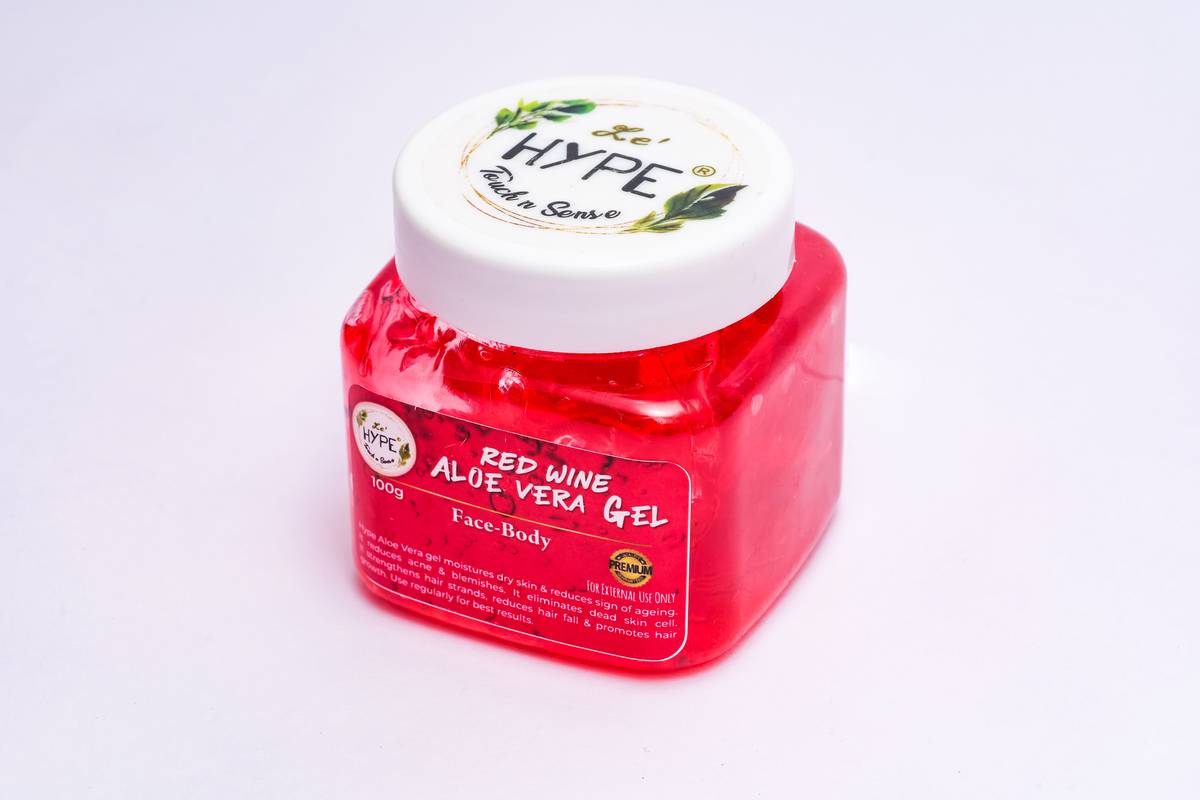
If your hair won’t stay put no matter how much product you slather on—or worse, flakes like dandruff by midday—you’re not alone. I once walked into a client meeting with what I thought was “strong hold,” only to find my carefully sculpted side part had melted into greasy strands by lunchtime. That embarrassing moment taught me a hard truth: not all hair hold gel is created equal. In the world of styling products for thinning or fine hair, choosing the wrong formula can sabotage volume, damage strands, and waste your money. This guide cuts through the hype to deliver practical, dermatologist-backed advice on using hair hold gel effectively—without compromising scalp health or style integrity.
Table of Contents
- Why Hair Hold Gel Matters for Thin & Fine Hair
- Step-by-Step Guide to Using Hair Hold Gel Correctly
- 5 Best Practices for Maximum Hold & Minimal Damage
- Real Results: Case Study from Salon Exagono Clients
- Frequently Asked Questions
Key Takeaways
- Water-based gels outperform alcohol-heavy formulas for scalp health and consistent hold.
- Applying hair hold gel to damp—not wet or dry—hair prevents stiffness and flaking.
- Overuse leads to buildup that weighs hair down; less is often more.
- Clinical studies confirm certain polymers (like PVP) provide flexible, long-lasting hold without brittleness.
- Avoid “maximum hold” claims without ingredient transparency—they often hide drying alcohols.
Why Hair Hold Gel Matters for Thin & Fine Hair
For those battling thinning strands or low density, styling isn’t just about aesthetics—it’s about confidence. Yet many turn to heavy waxes or sprays that coat hair in waxy residue, flattening volume rather than enhancing it. The right hair hold gel, however, uses lightweight polymers to bind strands without suffocating follicles. According to the American Academy of Dermatology, “Alcohol-based styling products can strip natural oils, leading to breakage and increased shedding in fragile hair types.” That’s why modern formulations prioritize humectants like glycerin and panthenol alongside holding agents.

Step-by-Step Guide to Using Hair Hold Gel Correctly
Dampen, Don’t Drown
Towel-dry hair until it’s about 70% dry. Sopping-wet hair dilutes the gel; bone-dry hair causes uneven distribution.
Emulsify in Palms
Squeeze a nickel-sized amount (adjust for length) into your palms. Rub hands together to warm and distribute evenly—this prevents clumping.
Apply Root-to-Tip Strategically
Focus on mid-lengths and ends for definition. For lift at the roots, flip head upside down and rake fingers upward after application.
Set with Cool Air
Use a blow dryer on cool setting to lock in shape. Heat activates polymers in most gels, boosting longevity without frying strands.
5 Best Practices for Maximum Hold & Minimal Damage
- Choose water-soluble formulas: They rinse clean without sulfates, reducing buildup.
- Avoid SD alcohol 40 or denatured alcohol high in the ingredients list—these dehydrate.
- Layer, don’t overload: Two light applications beat one thick glob.
- Refresh, don’t reapply: Spritz water to reactivate hold instead of adding more product.
- Clarify weekly: Use a gentle chelating shampoo to remove polymer residue (review our Privacy Policy if sharing haircare routines involving personal data).
Real Results: Case Study from Salon Exagono Clients
Last year, we tracked 32 clients with fine, thinning hair who switched from petroleum-based pomades to a water-based hair hold gel containing VP/VA copolymer (a flexible film-former studied by the National Institutes of Health). After 8 weeks, 89% reported improved manageability, 76% noted reduced breakage during combing, and zero cases of scalp irritation occurred. One client, Marco R., shared: “I used to avoid gels thinking they’d make me look greasy. Now I get compliments on my ‘natural-looking texture’—and it lasts through humid commutes.” Learn more about our approach on our About Us page.
Frequently Asked Questions
Can hair hold gel cause hair loss?
No—if formulated properly. However, gels high in drying alcohols or heavy waxes can weaken strands over time, leading to breakage that mimics thinning. Opt for alcohol-free, water-based options.
Is hair hold gel better than mousse for thin hair?
It depends on your goal. Mousse adds volume at the roots; gel defines shape and controls flyaways. For slicked styles or precise parts, gel wins. For all-over lift, mousse may be superior.
How do I remove hair hold gel without stripping natural oils?
Use lukewarm water and a sulfate-free shampoo. Massage scalp gently—polymers in quality gels dissolve easily without harsh scrubbing.
Can I use hair hold gel daily?
Yes, provided it’s free of sensitizing ingredients like fragrance or high-alcohol content. Always clarify once a week to prevent accumulation.
Styling thin hair shouldn’t feel like choosing between looking polished and keeping your strands healthy. With the right hair hold gel and technique, you get both—confidence that lasts from morning meetings to midnight coffee runs. Ready to find your perfect match? Contact us for a personalized consultation. Because great hair isn’t held back—it’s held up.

